Guide to Preparing Miniatures Before Painting
Before painting a miniature, it is worth investing 10-15 minutes in preparing it properly: removing supports and mold lines, sanding, gluing, filling gaps if needed, cleaning and applying primer. This guide gives you the step-by-step process, which tools to use and when it is worth varnishing to protect the finish.
Support Removal
Although we strive to remove all supports from the figures before shipping, some residues may remain for safety during transport or other reasons. Carefully inspect the figure and use a cutter or hobby knife to remove any remaining supports. It is crucial to eliminate them completely, as correcting this after priming will be difficult. Make sure to cut without applying too much pressure on other parts of the miniature to avoid damage or unwanted cuts.

Sanding
After removing the supports, you can sand any remaining imperfections using fine-grit sandpaper. This step helps ensure a smooth surface for priming and painting.
Gluing
If your miniature consists of multiple pieces, assemble them using cyanoacrylate glue (super glue) or epoxy adhesives. Avoid using adhesives designed for plastics like PVC, as they will not be effective.

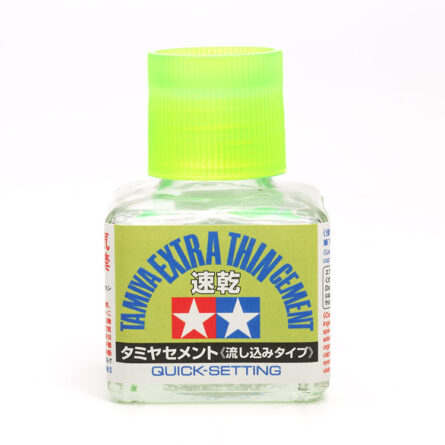
Adhesives for joining the parts
Tamiya cements (Extra Thin, Quick-Setting and Cement) and Border Model cyanoacrylate gel.



Gap Filling
Sometimes, when assembling pieces, they may not fit perfectly or get damaged when removing supports. To fix this, use a putty like Miliput to fill gaps or repair damage. Once dry, the putty can be sanded for a smooth finish, following the specific drying time instructions of the product used.
Washing
This step is optional and depends on whether the figure has grease residues from handling, which could affect the adhesion of primer and paint. If needed, gently wash it with water and soap using a soft-bristled brush.
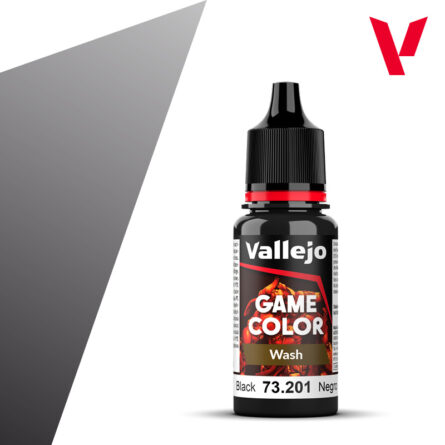
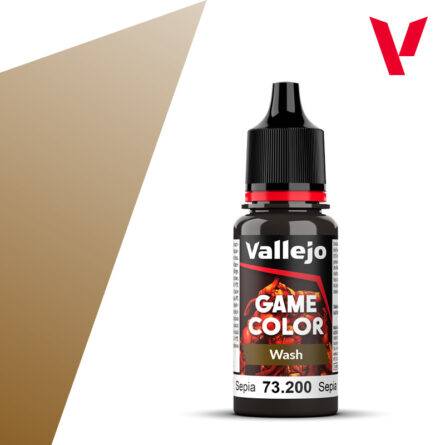
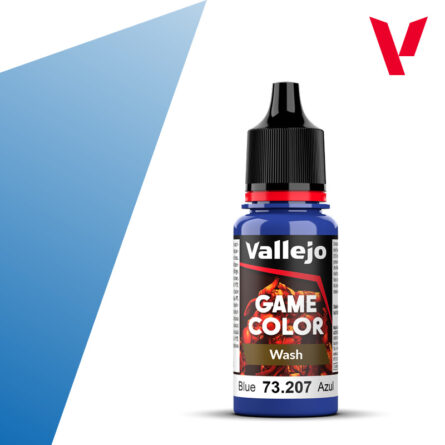
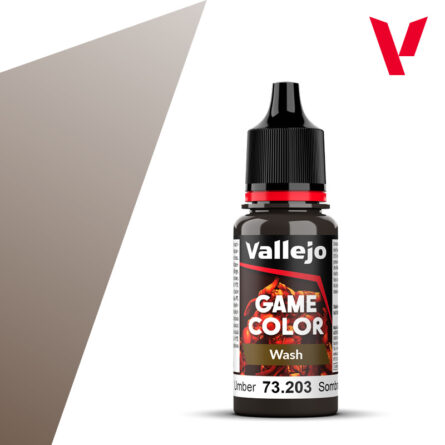
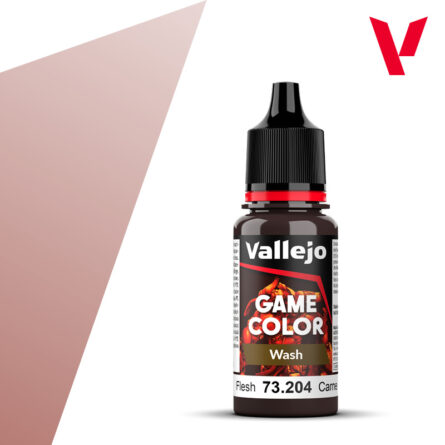
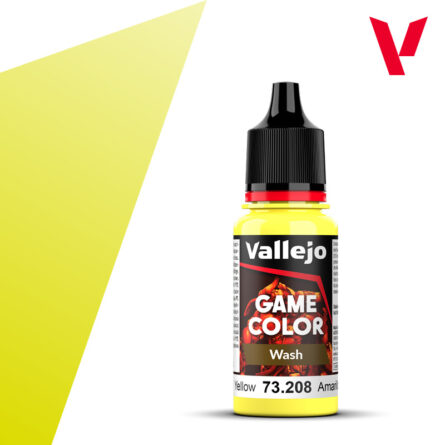
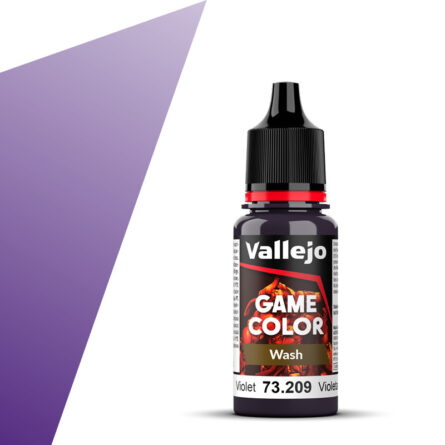
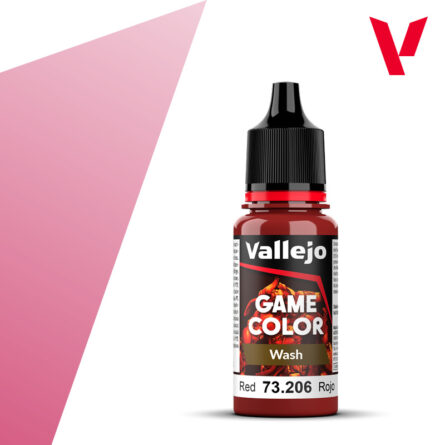
Game Color washes
The 8 Vallejo Game Color washes.
Priming
Use a primer spray or airbrush primer. Perform this step in a well-ventilated area or outdoors to avoid inhaling fumes. To protect your workspace, place the miniature on a flat surface inside a large cardboard box, which will also shield it from dust particles. Apply a thin coat of primer, let it dry for a few minutes, and if needed, apply up to two additional coats, allowing each layer to dry completely according to the manufacturer’s instructions.
Painting
Now it’s time to get creative with painting your miniature. You can use a variety of paints, and we offer a wide selection ideal for our figures.
Varnishing/Sealing
Once painted, protect your work with a varnish or sealer. This will help the miniature maintain its appearance longer and withstand handling better.

Vallejo primers
White, grey and black primer, in 400 ml aerosol cans and 60 ml bottles.


Vallejo varnishes
Matt acrylic varnish in a 400 ml aerosol and in a 60 ml bottle, plus gloss and satin versions in 60 ml bottles.


Frequently Asked Questions About Preparing Miniatures
What steps should I follow to prepare a miniature before painting?
Remove any support residue and mold lines, sand imperfections, glue the pieces together, fill gaps with putty if needed, wash the figure if it has grease on it and apply primer. After that, paint it and varnish it to protect the finish. The guide recommends spending 10-15 minutes on this preparation.
What glue should I use to join the pieces of a miniature?
Use cyanoacrylate glue (super glue) or epoxy adhesives. Avoid adhesives designed for plastics like PVC, as they will not be effective.
How do I fill gaps or damage on a miniature?
Use a putty like Miliput. Once dry, it can be sanded for a smooth finish, following the drying time instructions of the product used.
Do I need to wash a miniature before priming it?
It is an optional step. It depends on whether the figure has grease residue from handling, which could affect the adhesion of primer and paint. If needed, gently wash it with water and soap using a soft-bristled brush.
How do I prime a miniature?
Use a primer spray or an airbrush primer in a well-ventilated area or outdoors. Place the miniature on a flat surface inside a large cardboard box to protect your workspace and shield the figure from dust. Apply a thin coat of primer, let it dry for a few minutes and, if needed, apply up to two additional coats, letting each layer dry completely according to the manufacturer’s instructions.
Should I varnish a miniature after painting it?
The guide recommends protecting the painted miniature with a varnish or sealer. This helps it keep its appearance longer and withstand handling better.
Supplies to prepare and paint your miniatures
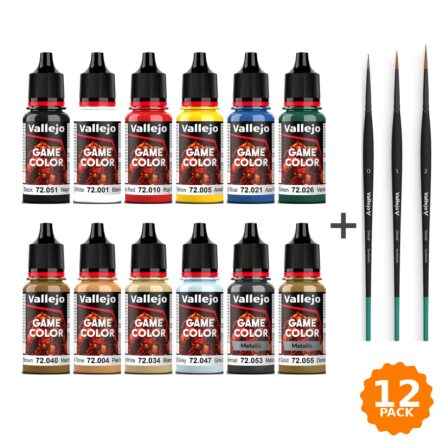
A starter pack with paints and brushes, primers to prepare the surface and a varnish to protect the finish.