
👶 Our family is growing!
Crafty Minis will be closed for a few weeks as we welcome our new baby. Purchases will be temporarily disabled. We’ll be back very soon! 💛
Crafty Minis will be closed for a few weeks as we welcome our new baby. Purchases will be temporarily disabled. We’ll be back very soon! 💛
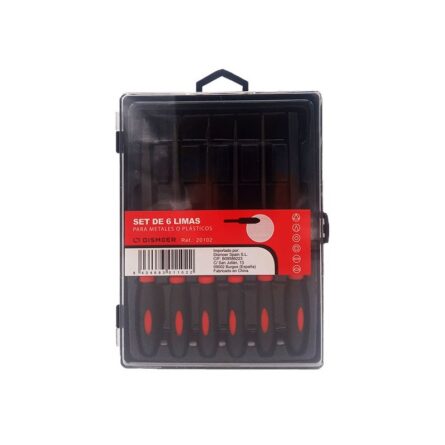
Files for scale modelling: trim, adjust and refine
Files are essential for deflashing, adjusting and trimming plastic, resin or metal parts. They smooth mould lines, fits and joints before priming and painting, giving a clean, professional finish.Available subcategory
- Files | Dismoer — needle file sets with different profiles (flat, round, half-round, triangular…) to reach any corner.
How to choose your file
- Profile: flat for edges and surfaces; round for holes; half-round for curves and transitions; triangular for corners and angles.
- Material: fine files for plastic/resin; more aggressive ones for metal (be careful with the detail).
- Size: needle files (≈140 mm) give control in small areas.
How to use them (step by step)
- Prepare the part: cut from the sprue with cutting tools and remove coarse flash.
- File in one direction with gentle passes; check the fit often.
- Refine the finish with progressive-grit sandpaper before priming.
- Clean the file after use to keep its bite.
Accessories and paints that pair well
- Sandpaper — for the fine finish after filing.
- Cutting tools — cut the part before trimming.
- Tweezers — hold small parts precisely.
- Adhesives and putty — glue, fill and file again to adjust.
- Cutting mats — protect the table and gain precision.
- Masking tape — guides passes and avoids scratches on finished areas.
- Primer — reveals imperfections after sanding/filing.
- Acrylic paints — colour in thin coats after prepping the surface.
- Varnishes — protect and unify the final finish.
- See all accessories
Quick tips
- Test on scrap to choose the right file profile.
- Less is more: several gentle passes preserve detail better.
- Side lighting helps spot flash and waviness while filing.