
Scale Model Size Chart and Guide
Learn what scale model sizes mean, how to compare scales such as 1:35, 1:48 or 1:72, and which one to choose for your next model kit.
1. Introduction
Scale is one of the most important things to understand before choosing a model kit. A scale such as 1:35, 1:48 or 1:72 tells you how much smaller the model is compared to the real vehicle, aircraft, ship or object.
In this guide, you will find a quick scale model size chart, a simple explanation of how scales work, and practical recommendations depending on the type of model you want to build.
2. Quick Scale Model Size Chart
| Escala | Uso habitual | Tamaño aproximado |
|---|---|---|
| 1:12 | Motorcycles, large figures and highly detailed models | Very large |
| 1:24 / 1:25 | Cars and civilian vehicles | Large |
| 1:32 | Aircraft and large figures | Large |
| 1:35 | Tanks, military vehicles, figures and dioramas | Medium-large |
| 1:48 | Aircraft, military vehicles and compact dioramas | Medium |
| 1:72 | Aircraft, tanks and collections with limited space | Small |
| 1:144 | Commercial aircraft, military aircraft and compact models | Very small |
| 1:350 / 1:700 | Ships and naval fleets | Small / very small |
Remember: the smaller the second number in the scale, the larger the final model will be.
3. What Is Scale in Model Making?
In model making, scale shows the relationship between the model and the real object. For example, a 1:35 scale model is 35 times smaller than the real vehicle. This means that 1 cm on the model represents 35 cm in real life.
Scales help model makers compare sizes, choose compatible accessories and build more realistic collections or dioramas.
4. Recommended Scales by Type of Model Kit
Here you can find the most common scale model sizes depending on the type of kit you want to build.
Recommended scales for military vehicles and tanks
- 1/72: Perfect for smaller collections or limited display space.
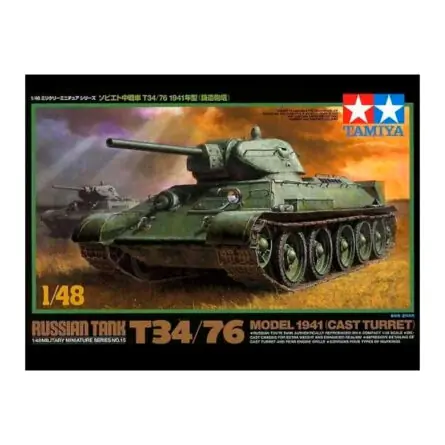
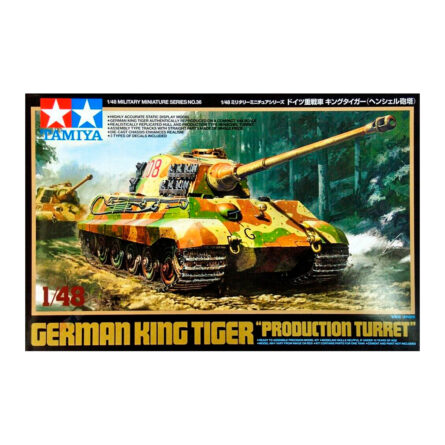
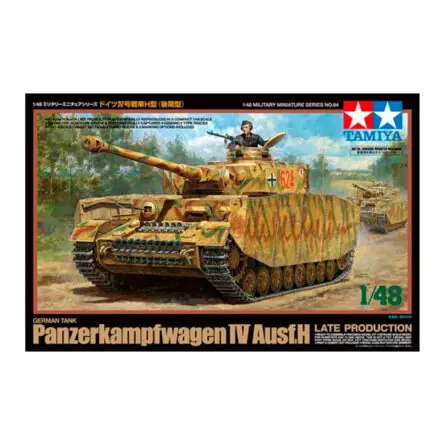
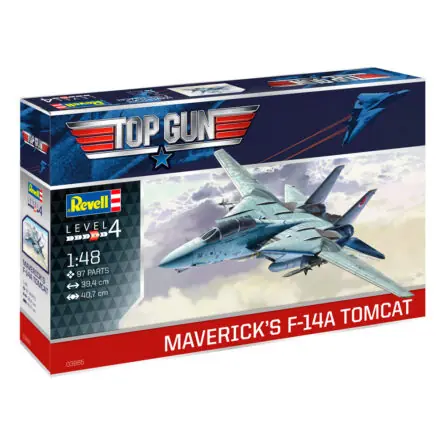
- 1/48: A good balance between size and detail.
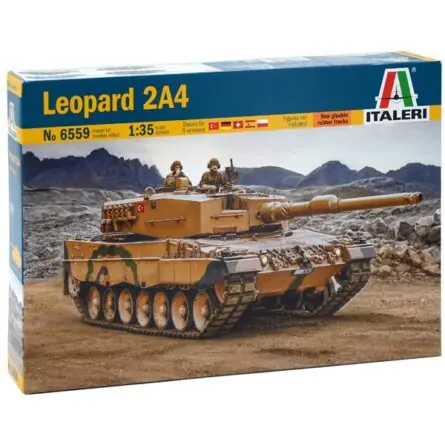
- 1/35: A popular scale for military vehicles and ground dioramas.
Recommended scales for aircraft model kits
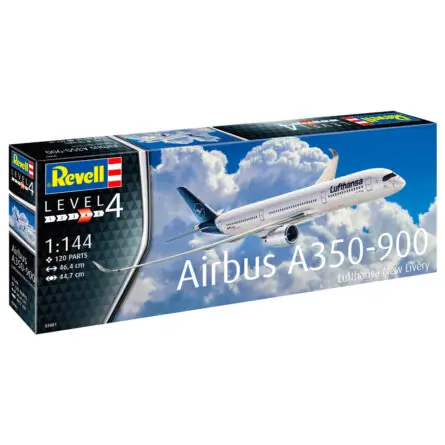
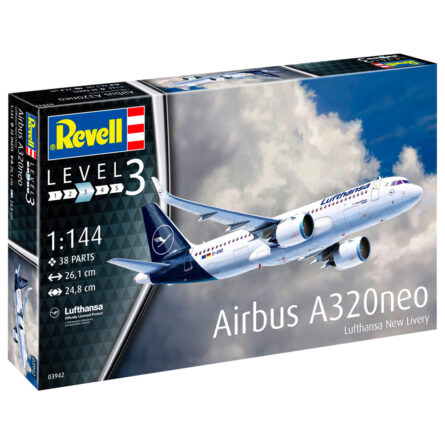
- 1/144: Used for commercial and military aircraft in smaller sizes.
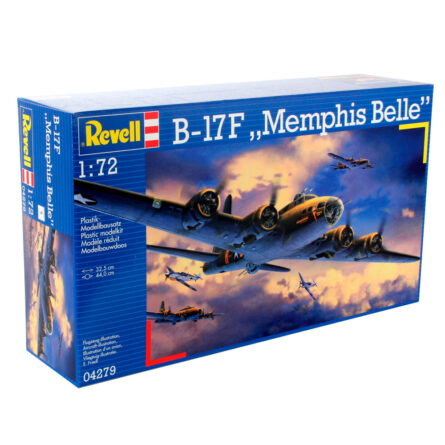
- 1/72: Compact and ideal for large collections.
- 1/48: Offers excellent detail without being excessively large.
- 1/32: Considerable size with a high level of detail.
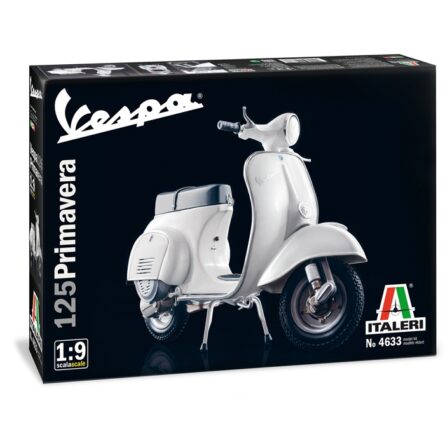
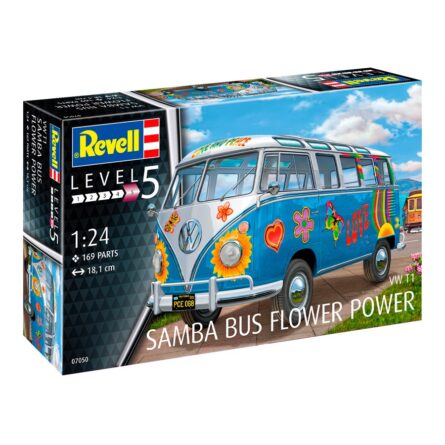
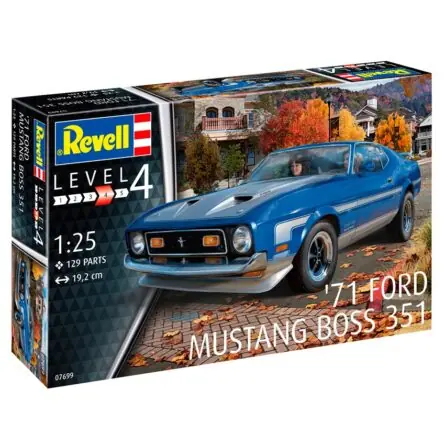
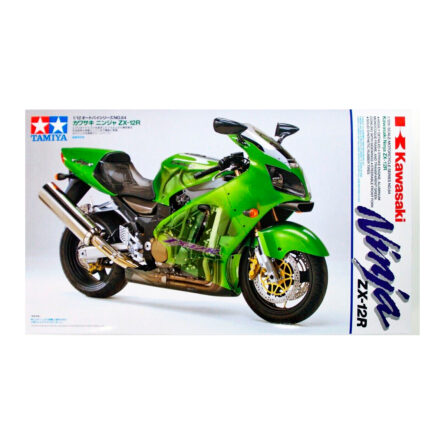
Recommended scales for cars and motorcycles
- 1/24 – 1/25: The standard for street and race cars.
- 1/12: Popular for motorcycles with a great level of detail.
- 1/8: Used for premium models with advanced mechanical details.
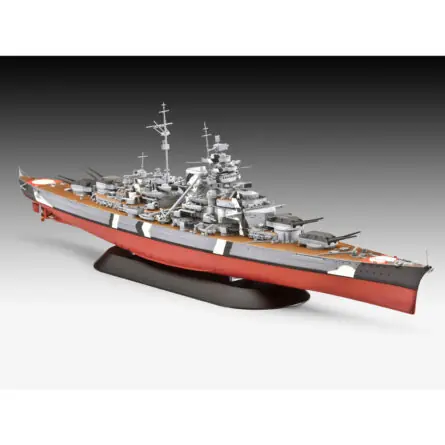
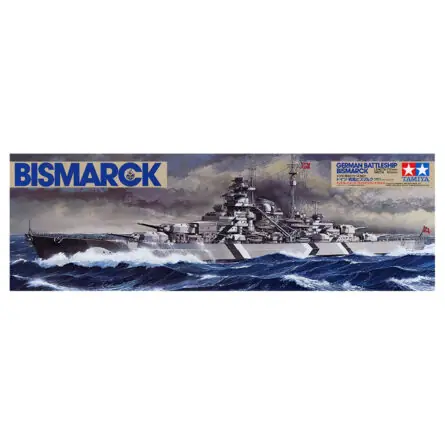
Recommended scales for ships and naval models
- 1/700: A common scale for naval fleets and dioramas.
- 1/200 – 1/144: Extreme detail in large-scale models.
- 1/350: A balance between size and detail level.
5. Which Scale Should You Choose Depending on the Type of Model Kit?
Choosing the right scale depends on several factors:
- Available space: Larger scales require more display space.
- Level of detail: Larger scales allow for more intricate details.
- Compatibility: If combining models in dioramas, using the same scale is recommended.
- Accessory availability: Some scales offer a wider range of accessories and figures.
6. Frequently Asked Questions About Scale Model Sizes
What does 1:35 scale mean?
A 1:35 scale model is 35 times smaller than the real object. For example, 1 cm on the model represents 35 cm in real life.
Which scale is bigger, 1:35 or 1:72?
1:35 scale is bigger than 1:72 scale. In model making, the smaller the second number, the larger the final model will be.
What scale should I choose as a beginner?
For beginners, 1:72 and 1:48 are practical choices because they are easier to handle, store and display. If you want more detail, 1:35 is a great option for tanks, military vehicles and dioramas.
What is the most common scale for aircraft models?
The most common scales for aircraft model kits are 1:72, 1:48 and 1:32. 1:72 is compact, while 1:48 and 1:32 allow for more detail.
What scale is commonly used for tanks and military vehicles?
1:35 is one of the most popular scales for tanks, military vehicles, figures and military dioramas. 1:48 and 1:72 are also common options for smaller projects.
7. Recommended Model Kits and Materials by Scale
Once you know which scale you want to build, you can complete your project with model kits, paints, primers, brushes, adhesives and modelling tools.
8. Tips for Model Makers by Scale
Before starting a model kit, consider the space you have available, the level of detail you want to achieve, and whether the kit will be combined with accessories, figures or a diorama.
- For smaller scales such as 1:72 or 1:144, fine tools, tweezers and precision brushes are especially useful.
- For medium scales such as 1:48 or 1:35, you will have more room to work on details, painting, weathering and realistic effects.
- For dioramas, try to keep all elements in the same scale so that vehicles, figures and accessories fit together naturally.
9. Conclusion
Scale is one of the key aspects of model making, as it determines the level of detail and compatibility with other models and dioramas. When choosing a model kit, it is important to consider the available space, the purpose of the model and the availability of accessories.
Brands such as Tamiya, Revell, Italeri and RFM offer a wide range of options in different scales, making it easier for model makers of all levels to find a suitable kit.